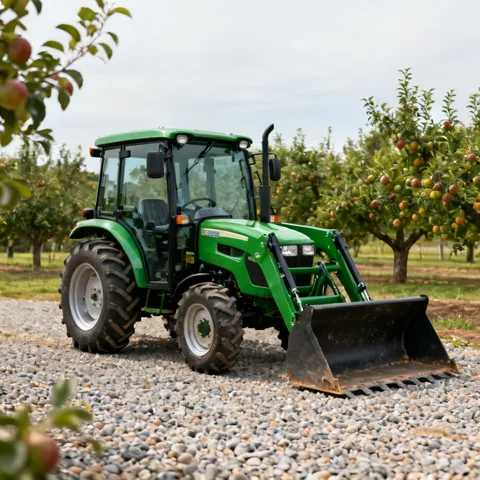

LS Tractor
Compare compact and utility tractors against your acreage, hitch needs and seasonal workload—typically a 25–50 hp band with Cat I or Cat II hitch geometry—before you talk financing or package pricing with a dealer.
Machinery shortlist
Use these lanes to frame a dealer conversation around PTO horsepower, three-point hitch category and the implements you will run most weeks of the year.
Selection cues
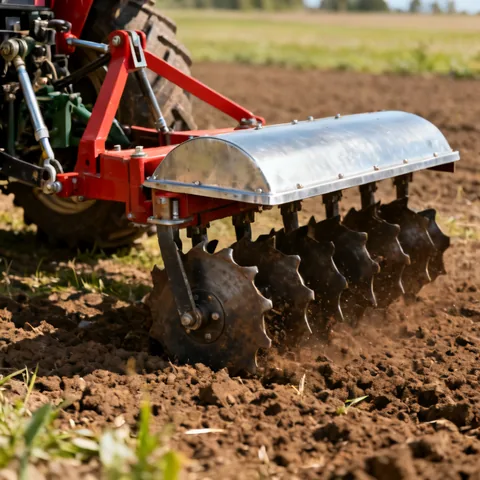
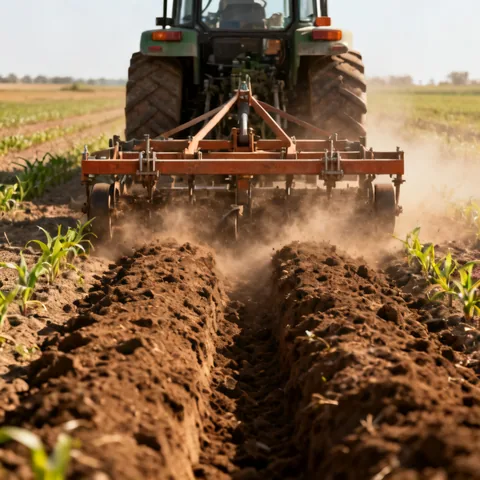
List the rotary tiller, mower, seeder or backhoe you expect to run weekly, then confirm continuous PTO horsepower and hydraulic flow so the tractor is not underpowered at the hitch.
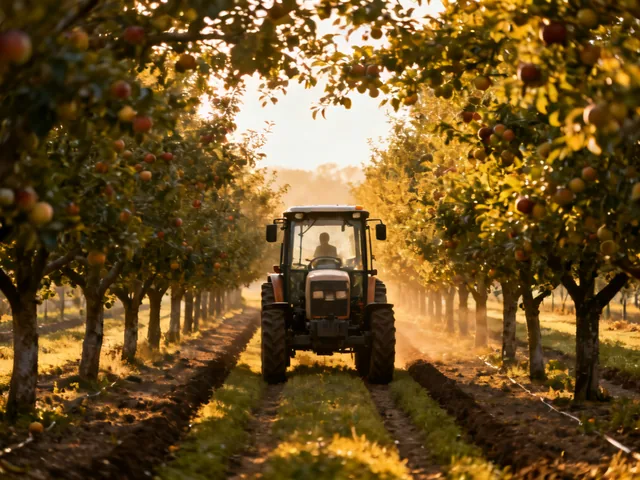
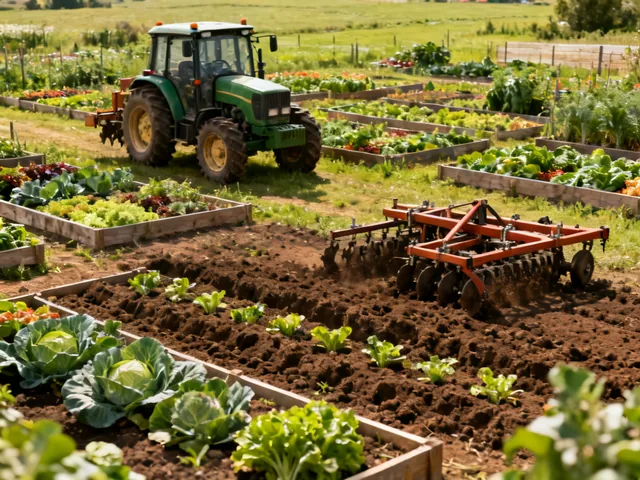
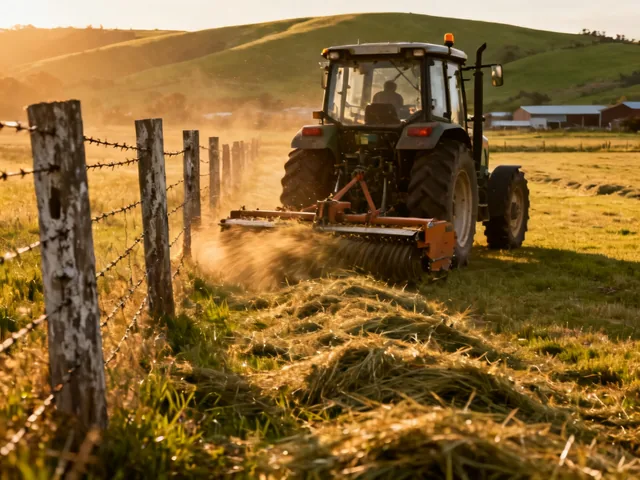
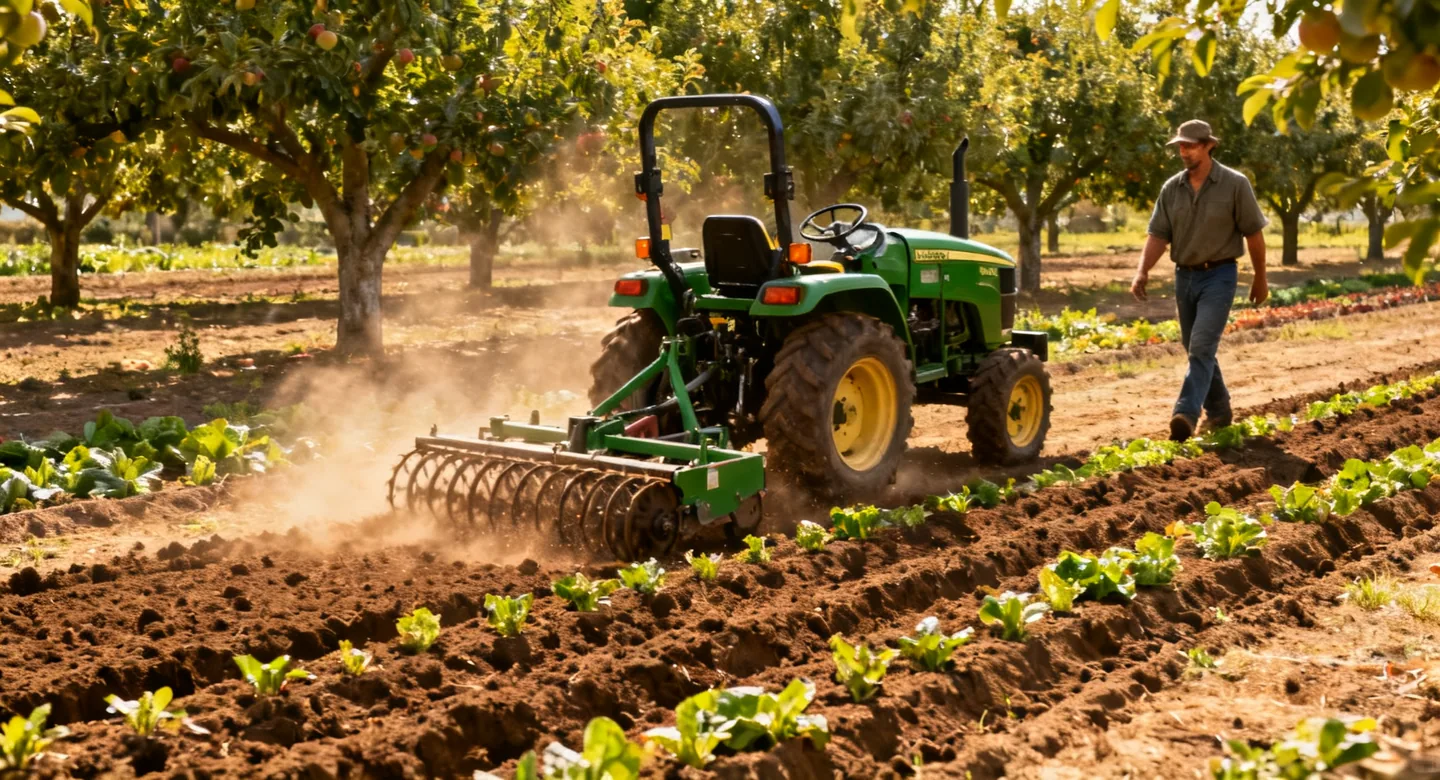
Orchard rows, vegetable beds and pasture edges ask for different widths, ground clearance and three-point hitch categories. Capture those constraints before browsing model sheets.
Filters, hydraulic fluid type, 3 point hitch parts and common wear items should appear beside the quote so spring tillage is not delayed by a missing oil filter cross reference.
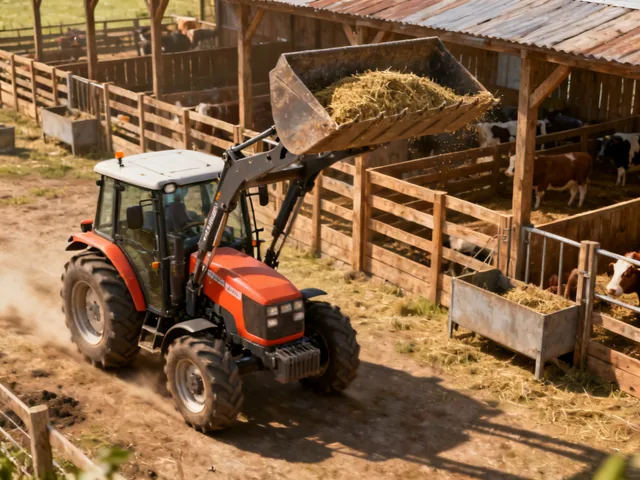
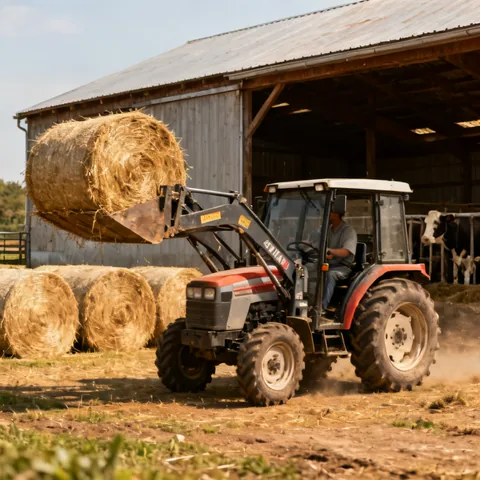
Financing looks different when you know annual hours, loader cycles and whether a canopy, backhoe or snow plow attachment will sit idle for most of the year.
Factory quality systems and CE marking documentation available for export-ready tractor builds.
Seedbed, loader and pasture trials logged with working width, soil type and operator hours.
Regional LS tractor dealers coordinate demo days, delivery and first-service scheduling.
Common filters and hitch wear parts staged for a 3–5 business day planning window.
Where the machines work
Next step
Bring acreage notes, implement priorities and preferred PTO horsepower. We will route you to an LS tractor dealer for demos, package pricing and parts planning.